
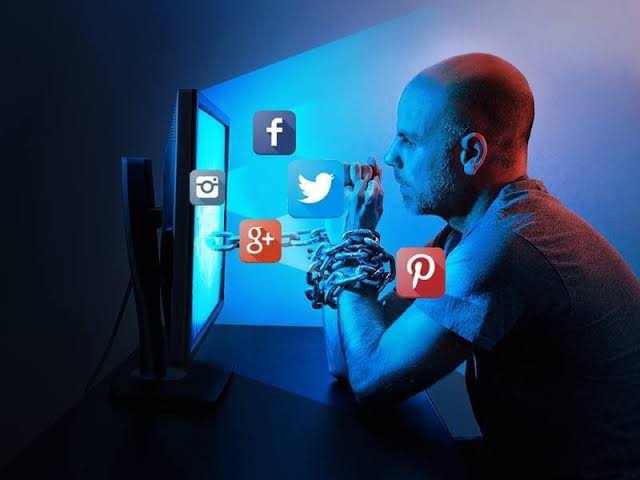

Modern technology allows people to be more connected than ever, but there may be downsides. Excess social media and mobile device use may result in eyestrain, neck pain, and difficulty sleeping.
While some forms of technology may have made positive changes in the world, there is also evidence for the negative effects of technology and its overuse.
In this article, learn about the psychological and physical health effects of technology and how to create more positive habits with technology and avoid overuse.
Overuse or dependence on technology may have adverse psychological effects, including:
Negative body image
One of the most well-studied effects of social media use is on body image, or how satisfied a person is with their appearance.
A 2022 review notes that image-based social media platforms have a stronger association with a negative body image than text-based platforms, as do several behaviors relating to social media use, such as: taking and editing selfies viewing “fitspiration” content or posts that promote thinness comments that promote an ideal body type
In contrast, body positive content, which promotes a positive view of all bodies regardless of shape or size, had an association with better body image.
Depression
A 2021 review of past research found a weak but significant association between time spent on social media and depression symptoms.
However, there was a stronger link between problematic social media use and depression. This suggests people using social media in less healthy ways could be more at risk for depression.
Again, though, this study does not establish a causal relationship between social media and depression. More research is necessary to understand the relationship.
Physical health effects
Technology use may increase the risk of physical issues as well, including:
Eyestrain
Technologies, such as handheld tablets, smartphones, and computers, can hold a person’s attention for long periods, which may lead to eyestrain.
Symptoms of digital eyestrain can include dry, tired eyes and a headache. Taking regular breaks away from the screen may reduce the likelihood of this issue.
Anyone regularly experiencing these symptoms needs to consult an optometrist for a checkup.
The 20-20-20 rule for digital viewing
The American Optometric Association recommends using the 20-20-20 rule when using any form of digital screen for longer periods of time.
To apply the rule, after every 20 minutes of screen time, a person needs to take a 20-second break to look at something at least 20 feet away.
Doing this may help reduce the strain on the eyes from staring at a screen for a continuous period.
Sleep problems
Using technology close to bedtime or during the night may interfere with sleep.
A 2021 study of young adults found that cellphone use before bed predicted difficulty sleeping. The effect was more pronounced when participants used their phones to look at emotionally-charged content.
Gentle activities to wind down, such as reading a book, doing gentle stretches, or taking a bath, can be suitable alternatives.
Changes in physical activity
Modern technologies often encourage people to be more sedentary while they watch television, play games, or use the internet. Research from 2020 has shown an association between using electronic devices and increased time spent sitting, which can have harmful long-term effects.
However, it is also true that technology can help people exercise.
For example, during the COVID-19 pandemic, a 2021 study notes that many individuals used fitness apps and trackers to find motivation to exercise. Indoor exercise equipment helped people continue their workouts, while some took up new forms of exercise using online tutorials.
Social effects of technology
Whether technology helps or hinders social interactions between people is a subject of debate.
A 2017 study of young adults in the United States ages 19 to 32 years found that those with higher social media use were more than three times as likely to feel socially isolated than those who did not use it as often.
However, a 2022 review of past studies found that knowing how to use technologies such as instant messaging apps decreased feelings of isolation in older adults.
It may be that people’s motivations for using technology — and how they use it — affect whether they feel more or less connected to others.
MedicalNews Today
-Advertisement-
Grab our latest Magazine, "Kelechi Amadi-Obi - Transcending the worlds of Law, Visual Art and Photography". Get your order fast and stress free.
For more details about Newswire Law&Events Magazine, kindly reach out to us on 08039218044, 09070309355. Email: newswiremagazine@yahoo.co.uk. You will be glad you did
Download E-MagazineDo you want to be heard, your events covered, your articles published, or need to advertise your products and services on our Blog and Magazine, reach out to us at Newswire Law and Events, you will be glad you did. For more details about our services, please call: 08039218044, 09070309355. Email: newswiremagazine@yahoo.co.uk